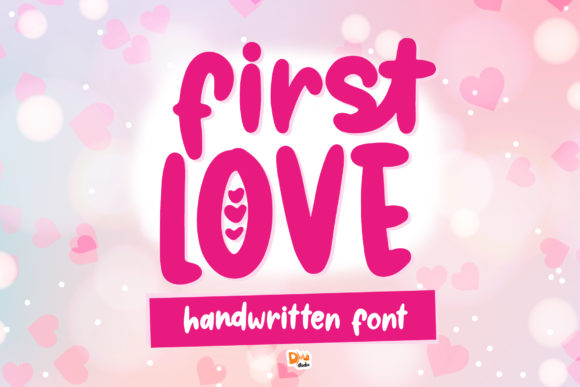
First Love: A Handwritten Font for Small Business Branding
When you start a small business, every detail matters. From the color of your logo to the tone of your voice on social media, each element contributes to how customers perceive your brand. One of the most overlooked yet powerful tools in your design arsenal is typography. As an entrepreneur who has navigated the journey from a home-based startup to a recognized boutique brand, I know that finding the right typeface can transform a good design into a memorable one. Enter First Love, a sweet and joyful handwritten font that brings a personal touch to professional branding.
The Personality Behind First Love
In the world of modern typography, it is easy to get lost in sleek sans serif fonts or traditional serif styles. However, there is a unique charm to a well-crafted script font that speaks directly to the heart of your audience. First Love is exactly that. It captures the essence of a genuine, happy moment, much like the feeling of receiving a handwritten note from a friend. Its strokes are fluid and natural, avoiding the stiffness often found in digital typefaces.
This original look makes it an ideal choice for businesses that want to appear approachable, authentic, and warm. Whether you are selling handmade candles, offering life coaching services, or running a cozy café, the mood set by this creative font aligns perfectly with brands that value connection over cold corporate imagery. Unlike generic display fonts that feel mass-produced, First Love feels crafted, adding a layer of care to your visual identity that resonates with customers looking for quality and personality.
Bringing Consistency to Your Brand Identity
Consistency is the backbone of a trustworthy brand. When your customers see your name on a product label, a business card, and an Instagram post, they should instantly recognize it as yours. Using a consistent typeface across all touchpoints helps build this recognition. First Love serves as an excellent anchor for your brand identity, providing a cohesive thread that ties your marketing materials together.
Imagine a bakery owner using this script font for their logo and menu headers. The joyful nature of the letters complements the warmth of fresh bread and pastries. Now, picture a beauty product line using the same font on packaging labels; the handwritten style suggests artisanal ingredients and personal attention to detail. By applying First Love strategically, you ensure that your brand feels unified and professional, regardless of where a customer encounters it.
Real-World Applications for Entrepreneurs
The versatility of First Love extends far beyond just a logo. Here are practical ways to integrate this premium font into your daily business operations:
- Product Labels and Packaging Design: For handmade goods, the font adds a "crafted by hand" aesthetic that justifies a higher price point and appeals to eco-conscious buyers.
- Social Media Graphics: Use it for headlines on Instagram posts or Pinterest pins to stop the scroll. Its distinct shape stands out against clean backgrounds.
- Business Cards and Letterhead: Incorporate it for names or taglines to make your contact information feel more personal and less transactional.
- Website Banners: Apply it to hero sections or welcome messages to create an immediate emotional connection with visitors.
- Thank You Cards and Stickers: These small details leave a lasting impression, and a handwritten font makes them feel like a genuine gesture rather than a printed obligation.
Strategic Usage: Headlines vs. Body Text
While First Love is beautiful, knowing when to use it is crucial for maintaining readability. As a decorative script font, it shines best as a display font or accent typeface. It is perfect for logos, headlines, short quotes, and call-to-action buttons where you want to grab attention and evoke emotion.
However, using a complex handwritten font for long paragraphs of body text can strain the reader's eyes, especially on mobile screens. In web design and printed flyers, pair First Love with a highly readable sans serif font or a clean serif font for descriptions, terms and conditions, and detailed product information. This balance ensures your message is both attractive and accessible. For example, on a café menu, you might use the script font for the section titles like "Morning Brew" or "Sweet Treats," while keeping the item descriptions in a simple, legible typeface.
Mastering Font Pairing for Professional Results
One of the biggest mistakes new business owners make is trying to use too many different fonts. To achieve a polished look, focus on effective font pairing. Since First Love is expressive and organic, it pairs beautifully with structured, geometric sans serif fonts. This combination creates a dynamic contrast: the script provides the warmth and personality, while the sans serif offers stability and clarity.
Alternatively, if you prefer a more classic or elegant vibe, try pairing it with a traditional serif font. This works exceptionally well for wedding planners, boutiques, or luxury skincare brands. The key is to let First Love be the star without overcrowding the design. Test different combinations in your design software to see which pairing best reflects your brand's voice before committing to a full rebrand.
Readability Across Different Platforms
In today's digital-first economy, your design must work everywhere. First Love holds up well on large formats like banners and packaging, but it requires careful consideration for smaller applications. On mobile devices, screen sizes vary, and intricate letterforms can sometimes blur or become difficult to read at small sizes.
Before finalizing your design assets, always preview your text on a smartphone. Ensure that the spacing between letters (kerning) is sufficient so the words don't merge together. For product labels that are only a few inches wide, consider increasing the font size slightly or simplifying the text to keep the impact strong. Remember, a font that looks great on a monitor might need adjustments to remain legible on a tiny sticker or a thumbnail image.
Licensing and Commercial Use
As you scale your business, understanding font licensing becomes non-negotiable. Many free fonts are restricted to personal use only, meaning you cannot legally use them on products you sell or in client work. First Love is designed as a commercial font, but it is vital to check the specific license agreement provided by the creator.
If you plan to use this typeface on merchandise, packaging, templates for sale, or in designs for paying clients, ensure you have purchased the appropriate commercial license. Using a font without the correct permissions can lead to legal issues and damage your reputation. Investing in a properly licensed premium font protects your business and shows professionalism to your partners and customers.
Testing Before You Commit
Before rolling out First Love across your entire brand, take the time to test it. Create mockups of your business cards, website header, and product packaging. Share these drafts with a trusted group of customers or peers to gauge their reaction. Does the font convey the right emotion? Is it easy to read? Does it fit your overall aesthetic?
Feedback is invaluable. If people struggle to read your brand name or feel the style doesn't match your service, you may need to adjust your approach. Once you are confident that First Love enhances your brand identity and improves your communication, you can proceed with integrating it into all your marketing materials. By choosing a font that truly represents your business values, you create a stronger, more recognizable presence in a crowded market.