How the Melissa Font Elevates Your Brand Identity
As a small business owner, I have learned that the smallest details often make the biggest difference. When customers scroll past dozens of posts on Instagram or walk into a local market, they are bombarded with visuals. What makes your brand stop them in their tracks? Often, it is not just the product itself, but how you present it. This is where typography comes into play. Recently, I discovered Melissa, an assertive handwritten font created with the help of a beautiful paint brush. It has quickly become one of my favorite design assets for building a cohesive and trustworthy brand identity.
In the world of Fonts, finding a typeface that balances personality with professionalism can be challenging. Many script fonts feel too messy or difficult to read, while others look stiff and corporate. Melissa strikes a perfect middle ground. Its strokes mimic the natural flow of a paint brush, giving it an organic, human touch that resonates deeply with customers looking for authenticity. Whether you run a boutique bakery, sell handmade candles, or offer coaching services, this creative font can transform your marketing materials from generic to memorable.
The Personality Behind the Paint Brush Strokes
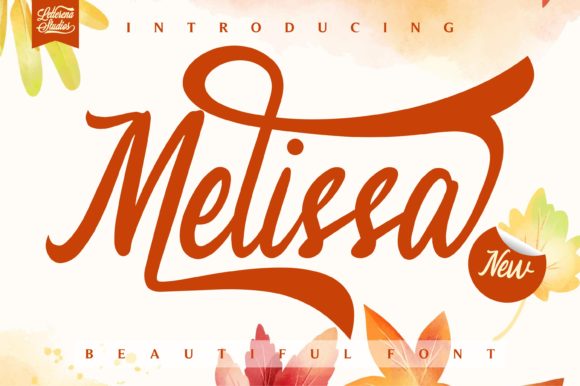
When I first opened the file for Melissa, I was struck by its confidence. Unlike delicate, thin scripts that can sometimes disappear in a crowded layout, Melissa is bold and assertive. The variation in stroke width suggests movement and energy, as if the words were written with passion and intention. This mood is crucial for branding because it signals to your audience that there is a real person behind the business.
For entrepreneurs selling handmade goods or offering personal services, this handwritten aesthetic builds an immediate emotional connection. It feels less like a mass-produced corporation and more like a curated experience. In categories like Script Amp, where expressive typefaces are common, Melissa stands out because it maintains clarity even at larger sizes. It does not sacrifice legibility for style, which is a common pitfall when choosing decorative display fonts for logos and headlines.
Bringing Consistency to Your Business Touchpoints
One of the hardest parts of running a small business is maintaining visual consistency across all platforms. You might have a stunning logo, but if your social media graphics, packaging labels, and website banners use different styles, your brand can feel disjointed. Using a versatile premium font like Melissa helps unify these elements.
Imagine a scenario where you own a local café. You could use Melissa for your menu headers, creating a warm and inviting atmosphere. Then, you might use the same font for the text on your loyalty cards and the signage outside your shop. This repetition creates a sense of familiarity. When a customer sees that distinctive paint-brush style on a flyer, then again on a coffee cup sleeve, and finally on your Instagram story, they begin to recognize your brand instantly. That recognition breeds trust.
Practical Applications for Real-World Materials
I have found several specific ways to integrate Melissa into everyday business operations without overwhelming the design:
- Product Labels and Packaging: For a line of artisanal soaps or gourmet jams, Melissa works beautifully as the primary label text. The assertive nature of the font ensures the product name pops off the shelf, while the handwritten style emphasizes the "made with care" aspect of the product.
- Social Media Graphics: On platforms like Pinterest and Instagram, headlines need to grab attention quickly. Using Melissa for quotes, sale announcements, or new product launches adds a dynamic flair that static sans serif fonts often lack.
- Thank You Cards and Inserts: Including a handwritten-style thank you note inside a package elevates the unboxing experience. Even if printed, Melissa mimics the look of a personal signature, making the customer feel valued.
- Website Banners and Headers: A large hero image on your homepage paired with a headline in Melissa can set the tone immediately. It tells visitors exactly what kind of vibe to expect before they even read your copy.
- Business Cards and Stationery: For service providers like life coaches or wedding planners, having your name or tagline in this script font on your business card makes a strong first impression.
Strategic Font Pairing for Readability
While Melissa is stunning, it is important to remember that it is best used as a display font or an accent typeface. Because of its intricate brush strokes, using it for long paragraphs of body text can strain the reader's eyes, especially on mobile screens or small product labels. To achieve a professional look, I recommend pairing Melissa with a clean, neutral font.
A classic combination involves pairing this expressive script with a simple sans serif font for body copy. The contrast between the organic curves of Melissa and the geometric precision of a modern sans serif creates a balanced hierarchy. Alternatively, if your brand leans towards a more traditional or elegant aesthetic, you might pair it with a readable serif font. This juxtaposition highlights the creativity of the script while ensuring that important details, such as ingredients lists or pricing, remain easy to read.
When designing a logo, consider using Melissa for the brand name and a simpler typeface for the tagline. This approach allows the unique personality of the font to shine without cluttering the design. Always test your pairings at various sizes. Zoom in and out on your screen to ensure the font remains legible on both a desktop monitor and a smartphone thumbnail.
Testing and Licensing: Essential Steps Before Launch
Before committing to Melissa for your entire brand identity, take the time to test it thoroughly. Create mockups of your product packaging, print a sample business card, and view your website banner on different devices. Does the font convey the right message? Is it legible on a small sticker? These practical tests will save you from costly redesigns later.
Furthermore, as a business owner, you must pay close attention to licensing. If you plan to use Melissa on products you sell, such as t-shirts, mugs, or printed templates, you need a commercial license. Many free fonts are restricted to personal use only. Ensure you purchase the appropriate license that covers your specific needs, whether that is for web design, merchandise, client work, or digital downloads. Using a font without the correct license can lead to legal issues down the road, undermining the very trust you are trying to build with your customers.
Ultimately, the right typeface is a powerful tool in your entrepreneurial toolkit. Melissa offers a unique blend of artistic flair and functional design that can help your small business stand out in a crowded marketplace. By applying it strategically across your logo, packaging, and digital presence, you create a visual language that is consistent, professional, and deeply connected to your brand's story.